Using the Recovery Home Architecture Scale (RHAS)
What is the Recovery Home Architecture Scale (RHAS)?
For independent sober living operators, the physical property is more than just a real estate asset; it is an active component of the recovery environment. The Recovery Home Architecture Scale (RHAS) is an evidence-based, 25-item tool developed by researchers to measure how a home‚ physical design, maintenance, and features support a peer-driven recovery model. It provides a structured framework for operators to assess their properties, moving beyond intuition to make data-informed decisions that can enhance resident outcomes and strengthen business operations.
Published research shows a critical interaction between a home's physical quality and its social environment. While a high-quality building alone may not guarantee success, it creates the necessary foundation for a strong, supportive peer community to develop. A well-designed space can facilitate the positive social dynamics that are proven to increase a resident's length of stay and improve their chances of long-term recovery.
The Six Domains: A Blueprint for Your Property
The RHAS groups architectural characteristics into six key domains. Operators can use these categories as a practical checklist to evaluate a potential property or to guide renovations and operational priorities in an existing home. Focusing on these areas helps create a setting that is safe, supportive, and conducive to building a new life.
House Maintenance and Safety
This domain covers the basics: the overall interior and exterior upkeep of the property. It includes everything from cleanliness and structural integrity to having protocols for emergencies. A well-maintained and secure home communicates stability and respect to residents. It also plays a crucial role in community relations, as a property that fits the neighborhood character is less likely to face opposition. This is the baseline for creating an environment where residents feel safe enough to focus on their recovery.
Sociability and Community Spaces
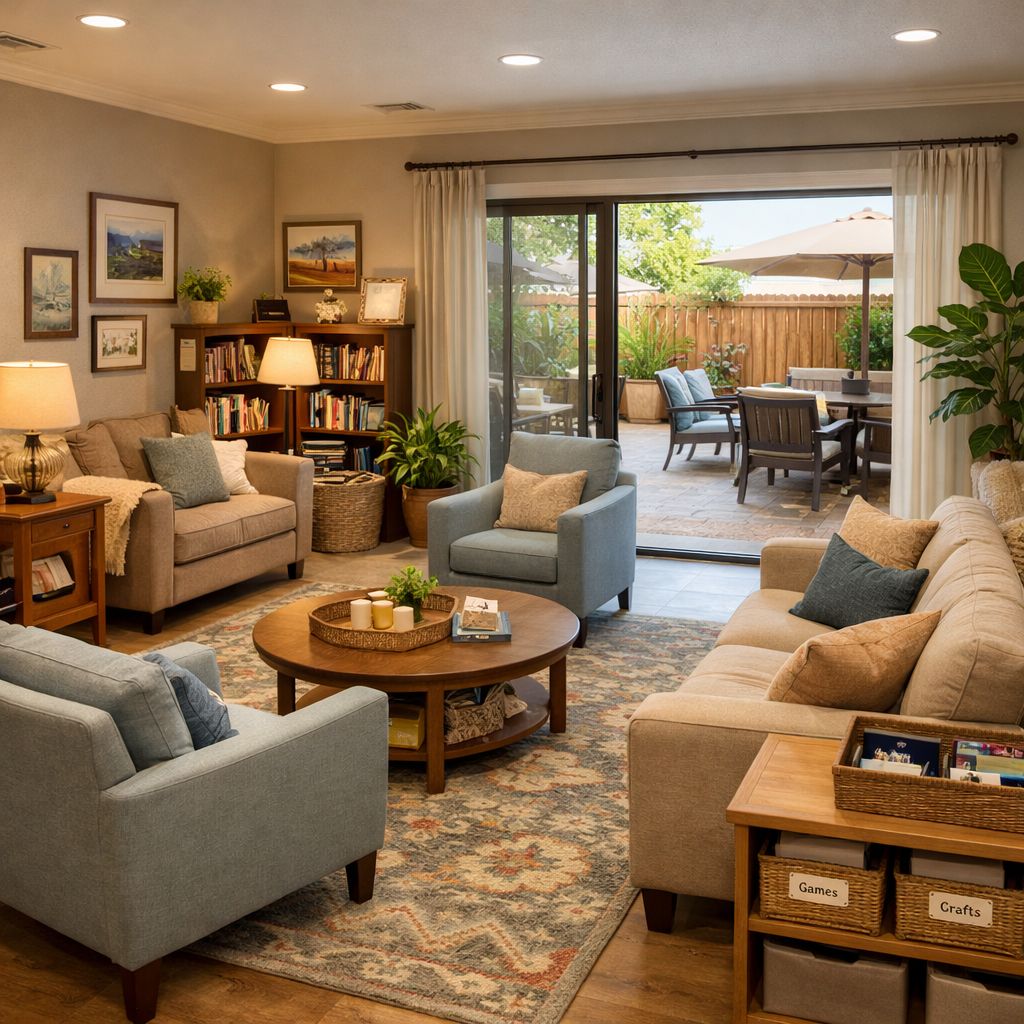
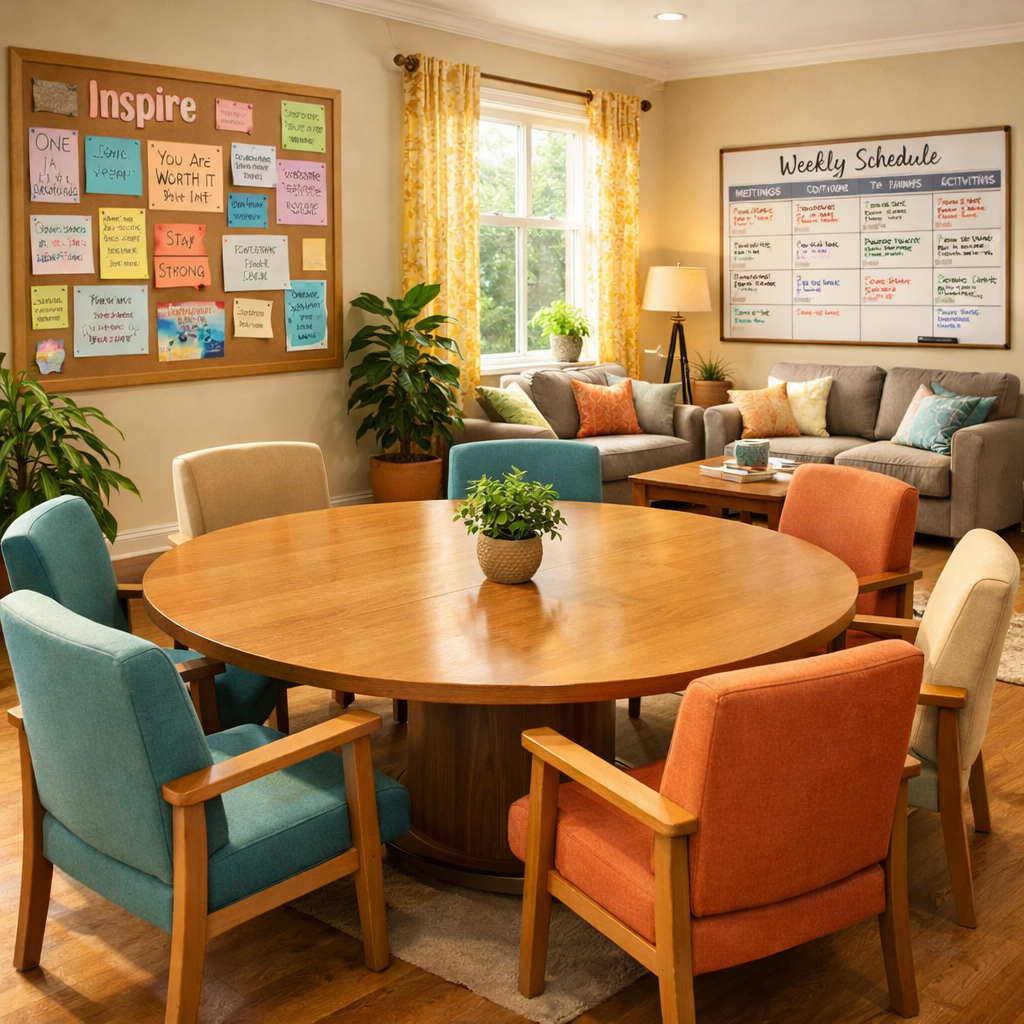
The social model of recovery depends on frequent, positive interactions between residents. This domain assesses how the home‚ layout encourages these connections. An open design where the kitchen, dining room, and lounge flow together promotes casual socializing and mutual support. The goal is to create spaces that naturally bring people together, while also providing smaller, quieter areas for private conversations or reflection. The quality of these spaces directly impacts the strength of the peer support network within the home.
Identity and Durability
A recovery residence should feel like a home, not an institution. This domain evaluates the quality and durability of furnishings and the opportunities for residents to express personal identity. Comfortable, resilient furniture reduces daily stress and operational costs from frequent replacement. Allowing residents to personalize their space with photos or personal items helps foster a sense of belonging and dignity. The environment should also reflect its purpose with subtle, recovery-supportive cues that reinforce the home's mission without feeling clinical.
Operator's Ledger: The Operational Math of Architectural Quality
Investing in your property's architectural quality has a direct and measurable impact on your bottom line and your mission. The principles measured by the RHAS translate into concrete operational figures that every operator should consider in their business planning.
- Occupancy and Revenue: A well-maintained, attractive, and safe home sustains higher occupancy rates, typically between 80% and 95% for mature homes. This stability allows for more predictable revenue from resident fees, which can range from $450 to $800 per month for shared rooms.
- Resident Length of Stay: Research confirms that residents who stay for six months or longer have a 70-80% success rate in maintaining sobriety. A property with high RHAS scores in sociability and maintenance creates a more supportive environment, encouraging the longer stays that are linked to better functional recovery outcomes.
- Maintenance Costs vs. ROI: Higher scores in the Durability domain mean investing in quality furnishings and fixtures. While this may require more upfront capital, it reduces long-term replacement costs and minimizes resident disruptions. A clean, well-kept home (House Maintenance domain) is also correlated with improved resident mental health, a direct return on your investment in upkeep.
- Legal Risk Mitigation: A property with a high exterior maintenance score and a good neighbor appearance reduces friction with the community and can prevent costly zoning disputes. Adhering to safety standards and ensuring accessibility strengthens your legal standing under the Fair Housing Act (FHA) and Americans with Disabilities Act (ADA).
Beyond the Blueprint: How Architecture Impacts Your Operation
Applying the principles of the RHAS goes beyond simple aesthetics. Strategic property design directly influences your home's culture, its legal standing in the community, and its long-term financial health.
Enhancing Peer Support and Community Culture
The core finding of RHAS research is that architecture enables the social model. You cannot force community, but you can design a space that makes it much more likely to happen. A large, functional kitchen becomes the natural heart of the home where residents share meals and conversations. A comfortable outdoor patio provides a healthy space for group activities. By intentionally designing for sociability, you are actively building the peer-support structure that is essential for recovery.
Improving Municipal Relations and Legal Compliance
Your property is your primary ambassador in the neighborhood. A home that is well-maintained and architecturally consistent with its surroundings is your best defense against community opposition. This proactive approach can prevent legal challenges and smooth the process of requesting reasonable accommodations under the FHA if needed. Using a framework like the RHAS helps ensure your property meets a high standard, reinforcing its status as a residential asset, not a commercial nuisance. This is a critical part of managing and growing your sober living business.
Driving Financial Sustainability
In a competitive market, a superior physical environment is a significant advantage. It helps attract and retain residents, ensuring the financial stability needed to fulfill your mission. A thoughtfully designed property operates more efficiently, with better flow and more durable materials that reduce long-term costs. The principles of the RHAS provide a guide for making smart capital investments that support both the residents' recovery and the operator's financial success.
This week, conduct a simple audit of your property using one domain from the RHAS. Walk through your common areas and ask: does this space encourage or discourage interaction? Identify one small, low-cost change you can make, like rearranging furniture or improving lighting, to better support the community you are building.